
European Coastal Development
Your legacy begins at the water's edge
Rooted in Real Locations
Your Culture, Your Community
A Company That Stays In
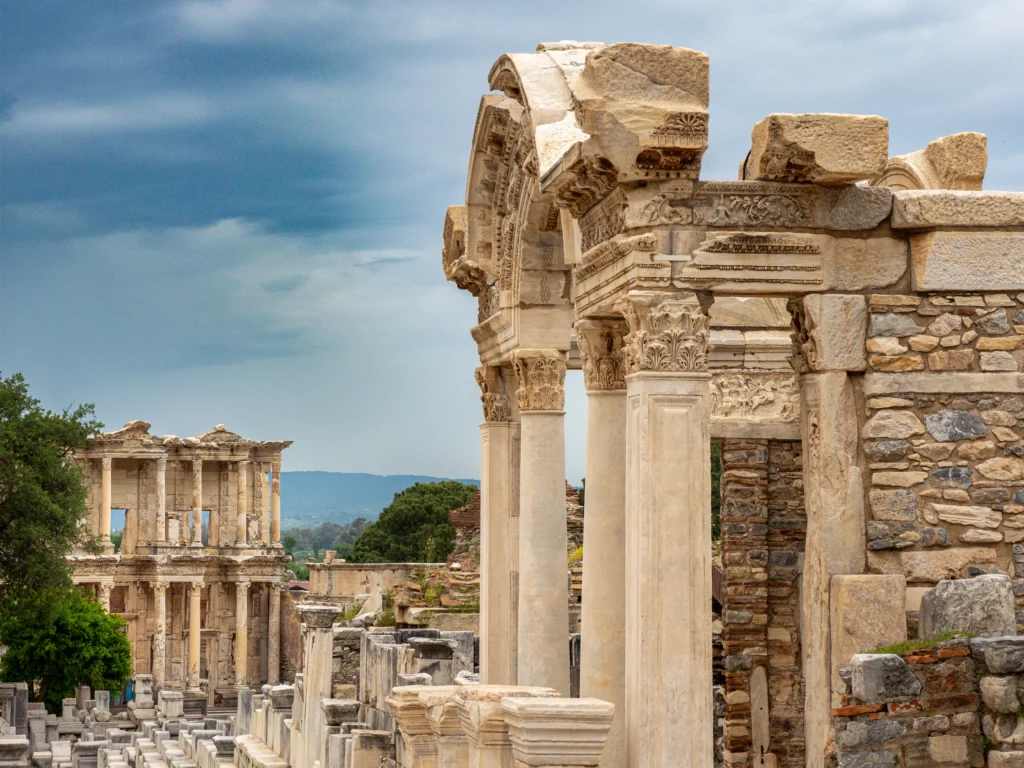

Our Vision
Turning abandoned land into heritage
Peter Estate was founded on a simple belief: Europe’s forgotten coastal spaces deserve to be reimagined — and who better to reimagine them than communities with the vision, the will, and the cultural richness to build something truly lasting.
We scout dormant and abandoned coastal properties across Southern Europe, secure them through strategic option agreements, and orchestrate full-cycle development — from land assembly and government approvals to construction partnerships and community building.
You bring your ambition. We bring the deals, the structure, and the pathway to ownership.
5+ Target Countries
€0 Min. Barrier
Generational Value
Built for Community
Investing in more than property — investing in belonging
Collective Ownership Model
Cultural Design Standards
Long-Term Residual Value
Where We Operate
Coastal Europe, reimagined
Spain
Greece
Italy
The Process
From forgotten land
to flourishing community
We believe great development starts with great transparency. Every project follows the same clear pathway so investors always know exactly where their money is and what comes next.
1. Scout & Secure
2. Approve & Plan
3. Raise & Build
3. Own & Grow
Peter Estate is more than a real estate company.

Long-Term Reliability
Why Invest
The numbers make the case. The mission seals it.
European coastal property has consistently outperformed most asset classes over the last two decades — and abandoned locations offer entry at a fraction of market price.
€1–3
Option cost per deal vs full purchase
20M+
Africans in Europe seeking community
8–12%
Avg. coastal rental yield in Southern Europe
70%+
Abandoned villages in Spain & Italy since 1980
Built by people who believe in the mission
Peter Estate is being built by a small, focused team with backgrounds in real estate, finance, law, and community building across Africa and Europe.
Peter — Founder
Vision & Deal Origination
Legal Partner
Real Estate Law · Spain
Construction Partner
Development & Build
"The land is there. The opportunity is now."
Everything you need to know
We know this model is new to many people. These are the questions we hear most — answered plainly and honestly.
Still have questions? Send us a message and we’ll reply within 24 hours.
Not necessarily to get started. Our model is built around option agreements, which let us control land for a small deposit before any purchase. When a deal is ready, investors pool capital through an SPV (Special Purpose Vehicle). Entry points vary per project, but we aim to structure deals accessible to a range of investor sizes — not just ultra-high-net-worth individuals.
An SPV (Special Purpose Vehicle) is a separate legal company created specifically for one project. Your investment goes into the SPV, which owns the property. This means your liability is limited to what you invest in that deal — it's ring-fenced from other projects and from Peter Estate's company finances. It's the same structure used by major real estate private equity firms globally.
We earn in two ways. First, a management fee (typically 1–2% of assets) for coordinating each project. Second, and more significantly, we hold a promoted interest (carried interest) — usually 20% of profits after investors receive their agreed return. This means we only do well when you do well. Our incentives are fully aligned with yours.
Yes — with the right process. Abandoned land can be purchased or optioned from private owners, local municipalities, or via government schemes. Development requires planning permission, which varies by region and zoning. We work with experienced local legal counsel in each country to navigate this. Many Spanish municipalities actively welcome development proposals that bring economic activity.
Yes. Each development is designed as a vacation community. As an equity holder, you'll have usage rights structured into the ownership agreement — time allocations based on your stake, similar to a fractional ownership model. When you're not using it, the property earns rental income that is distributed proportionally to investors.
Realistic timelines depend on the project. From option agreement to planning approval typically takes 12–24 months. Construction adds another 12–24 months. We always communicate conservative timelines — and our option agreements are structured with buffer time built in. The first Spain project is currently in scouting and permitting research phase.